Buy emailblog.eu ?
We are moving the project
emailblog.eu .
Are you interested in purchasing the domain
emailblog.eu ?
domain@kv-gmbh.de · 0541-91531010
Buy emailblog.eu ?
What is the definition of hypothetical-deductive thinking and deductive thinking?
Hypothetical-deductive thinking is a problem-solving approach that involves creating a hypothesis or educated guess about a situation and then testing it through deductive reasoning. Deductive thinking, on the other hand, is a logical process where one starts with a general statement or hypothesis and then examines the possibilities to reach a specific, logical conclusion. In essence, hypothetical-deductive thinking combines the generation of hypotheses with deductive reasoning to arrive at a solution, while deductive thinking focuses solely on drawing specific conclusions from general principles. **
What is the definition of hypothetico-deductive thinking and deductive thinking?
Hypothetico-deductive thinking is a scientific method that involves formulating a hypothesis and then testing it through observation and experimentation to reach a conclusion. It is a process of making educated guesses and then systematically testing them to determine their validity. Deductive thinking, on the other hand, is a logical process where conclusions are drawn based on a set of premises or assumptions. It involves reasoning from general principles to specific instances to reach a logical conclusion. **

Similar search terms for Deductive
Top-Angebote
Products related to Deductive:
-
Huddly Canvas Whiteboard Content Camera KitHuddly Canvas whiteboard content camera kit for meeting rooms. The camera mounts above a whiteboard and captures its contents so they can be shared clearly with remote participants in video calls.1003,49 £*Shipping: 0,00 £Secure redirect to the provider
-
GlowBake Advanced Skin Tester, Face Skin Moisture & Oil Content Analyzer Advanced Skin Tester, Face Skin Moisture & Oil Content AnalyzerDiscover your skins true condition with our advanced Skin Tester a compact yet powerful face skin analyzer designed to measure moisture, oil content, skin water, cheek elastic quality, and even estimate skin age in seconds. Ideal for home use or pro...27,97 $*Shipping: 0,00 $Secure redirect to the provider
-
Sagebrook Home "Iron and Resin Classic Strategy Board Game with Modern Box Design - 10"" x 8"" x 8"""Built with high-quality materials, this game set ensures long-lasting durability, making it perfect for frequent play while maintaining its pristine condition.122,66 $*Shipping: 0,00 $Secure redirect to the provider
-
Rotolight VideoVlogging RL48 LED Ring Light Kit for Content CreatorsRotolight VideoVlogging RL48 LED Ring Light Kit – For Content Creators The Rotolight VideoVlogging RL48 LED Ring Light Kit is designed to deliver professional-quality lighting for content creators, vloggers, and photographers. It provides soft, even illumination that enhances facial features, reduces shadows, and improves overall video and photo quality. Compact and easy to use, the RL48 is ideal for streaming, makeup tutorials, video calls, and social media content creation. Its lightweight design makes it highly portable, allowing you to set up professional lighting anywhere, whether at home or on the go.16,99 £*Shipping: 0,00 £Secure redirect to the provider




-
What is deductive and hypothetical thinking in pedagogy?
Deductive thinking in pedagogy involves starting with a general principle or theory and applying it to a specific situation to draw a conclusion. This approach helps students develop logical reasoning skills and understand the relationships between concepts. Hypothetical thinking, on the other hand, involves exploring different scenarios or possibilities to understand cause-and-effect relationships and make predictions. Both deductive and hypothetical thinking are important in pedagogy as they encourage critical thinking, problem-solving, and creativity in students. **
-
What is the meaning of deductive and inductive approaches?
Deductive reasoning is a logical process in which a conclusion is derived from a set of premises or assumptions. It involves moving from general principles to specific instances. On the other hand, inductive reasoning is a method of reasoning in which the premises are viewed as supplying strong evidence for the truth of the conclusion. It involves moving from specific observations to broader generalizations. Both deductive and inductive approaches are used in research and reasoning to draw conclusions and make predictions. **
-
What is the meaning of the deductive and inductive approach?
Deductive reasoning is a logical process in which a conclusion is derived from a set of premises or assumptions. It involves moving from general principles to specific instances. On the other hand, inductive reasoning is a method of reasoning in which the premises are viewed as supplying strong evidence for the truth of the conclusion, but do not guarantee it. Inductive reasoning involves moving from specific observations to broader generalizations. Both approaches are used in various fields such as science, mathematics, and philosophy to draw conclusions and make predictions based on available information. **
-
Can you give an example of the deductive learning method?
One example of the deductive learning method is a math class where the teacher presents a general rule or formula, such as the Pythagorean theorem, and then provides specific examples and exercises for students to apply the rule. The teacher starts with the general principle and then guides students through specific instances to demonstrate how the rule can be used. This approach allows students to understand the concept and then apply it to different problems. **


How do you solve the following question regarding deductive numerical reasoning?
To solve a question regarding deductive numerical reasoning, you need to carefully analyze the given information and look for patterns or relationships among the numbers. Start by identifying any consistent mathematical operations or sequences that can be applied to the numbers. Then, use these patterns to predict the next number in the sequence or to determine the missing number. It's important to approach the question systematically and consider all possible logical deductions before arriving at a conclusion. **
Could you please explain the difference between deductive and inductive reasoning to me?
Deductive reasoning starts with a general principle or premise and then applies it to a specific case to reach a logical conclusion. In contrast, inductive reasoning involves observing specific instances or examples and then drawing a general conclusion based on those observations. Deductive reasoning moves from the general to the specific, while inductive reasoning moves from the specific to the general. Both types of reasoning are important in critical thinking and problem-solving, and they are used in various fields such as science, mathematics, and philosophy. **
Top-Angebote
Products related to Deductive:
-
No Marketing Systems Wood Corner Desk"The corner desk measures 42"" X 28"" X 30"" And Weighs 42 lbs. Arrives with only minimal Assembly required. Comfortably fitting in any home, studio, apartment, and office, The small corner writing desk maximizes space in compact rooms."257,04 $*Shipping: 0,00 $Secure redirect to the provider
-
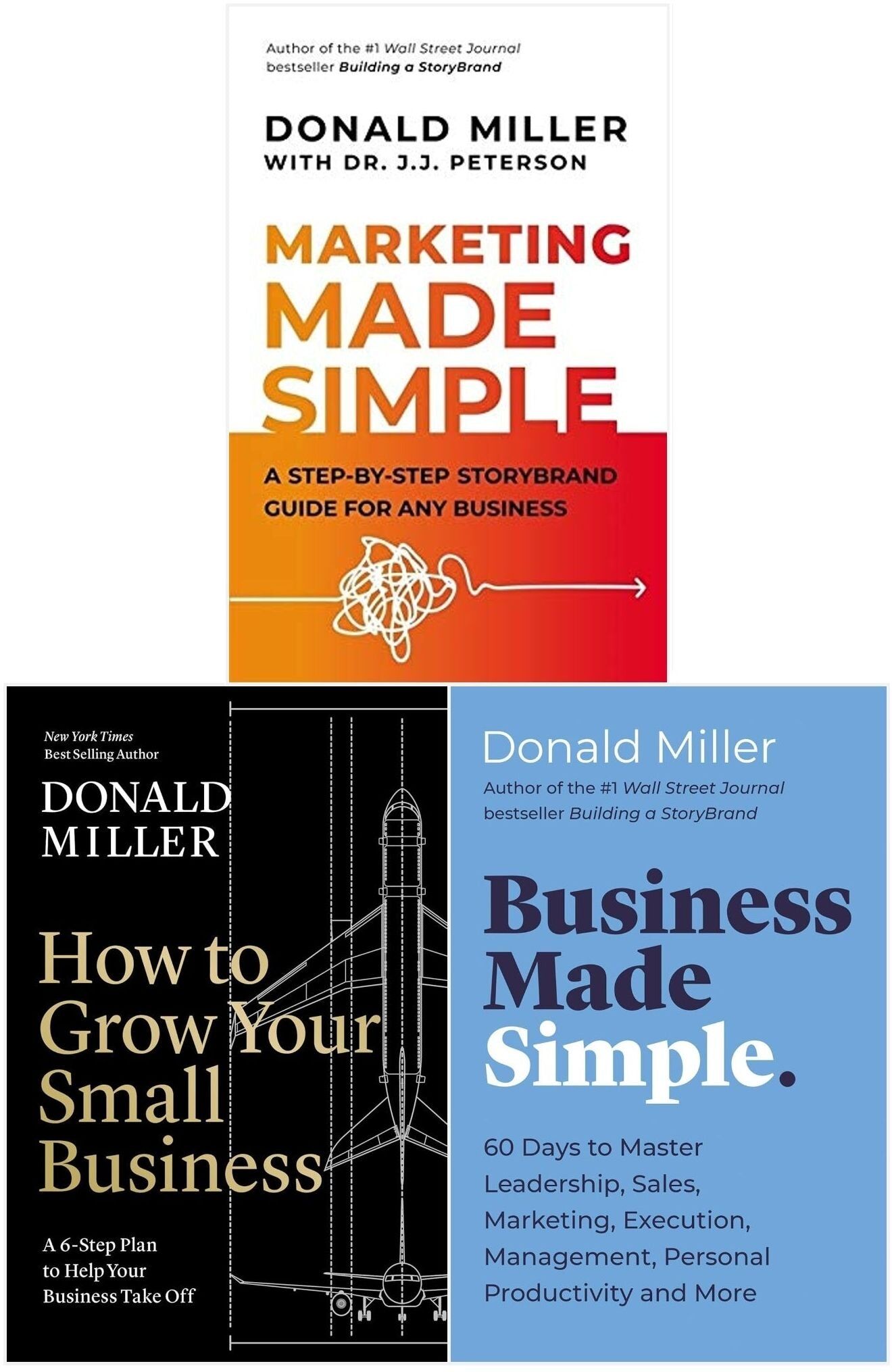
HARPERCOLLINS Donald Miller 3 Book Collection Set – Business Made Simple, Marketing Made Simple & How to Grow Your Small Business Entrepreneurship & Marketing GuiDonald Miller Collection 3 Books Set (How to Grow Your Small Business, Business Made Simple, Marketing Made Simple): How to Grow Your Small Business: Speak to the heart of your target audience and create a movement around your mission or campaign through this comprehensive, step-by-step approach to crafting messages that resonate. Donald Miller, author of the bestselling Building a StoryBrand, has helped thousands of individuals, corporations, and justice-oriented organizations turn vision into action using the organized, easy to implement communication framework outlined in these pages. Business Made Simple: Donald Miller knows that business is more than just a good idea made profitable it s a system of unspoken rules, rarely taught by MBA schools. If you are attempting to profitably grow your business or career, you need elite business knowledge knowledge that creates tangible value. Even if you had the time, access, or money to attend a Top 20 business school, you would still be missing the practical knowledge that propels the best and brightest forward. Marketing Made Simple: Donald Miller, is a must-have for any marketing professional or small business owner who wants grow their business.It will teach you how to create and implement a sales funnel that will increase traffic and drive sales. Every day, your company is losing sales simply because you do not have a clear path to attract new customers. You’re not alone. Based on proven principles from Building a StoryBrand , this 5-part checklist is the ultimate resource for marketing professionals and business owners as they cultivate a sales funnel that flows across key customer touchpoints to effectively develop, strengthen, and communicate their brand’s story to the marketplace.18,99 £*Shipping: 2,99 £Secure redirect to the provider
-
Huddly Canvas Whiteboard Content Camera KitHuddly Canvas whiteboard content camera kit for meeting rooms. The camera mounts above a whiteboard and captures its contents so they can be shared clearly with remote participants in video calls.1003,49 £*Shipping: 0,00 £Secure redirect to the provider
-
GlowBake Advanced Skin Tester, Face Skin Moisture & Oil Content Analyzer Advanced Skin Tester, Face Skin Moisture & Oil Content AnalyzerDiscover your skins true condition with our advanced Skin Tester a compact yet powerful face skin analyzer designed to measure moisture, oil content, skin water, cheek elastic quality, and even estimate skin age in seconds. Ideal for home use or pro...27,97 $*Shipping: 0,00 $Secure redirect to the provider
-
What is the definition of hypothetical-deductive thinking and deductive thinking?
Hypothetical-deductive thinking is a problem-solving approach that involves creating a hypothesis or educated guess about a situation and then testing it through deductive reasoning. Deductive thinking, on the other hand, is a logical process where one starts with a general statement or hypothesis and then examines the possibilities to reach a specific, logical conclusion. In essence, hypothetical-deductive thinking combines the generation of hypotheses with deductive reasoning to arrive at a solution, while deductive thinking focuses solely on drawing specific conclusions from general principles. **
-
What is the definition of hypothetico-deductive thinking and deductive thinking?
Hypothetico-deductive thinking is a scientific method that involves formulating a hypothesis and then testing it through observation and experimentation to reach a conclusion. It is a process of making educated guesses and then systematically testing them to determine their validity. Deductive thinking, on the other hand, is a logical process where conclusions are drawn based on a set of premises or assumptions. It involves reasoning from general principles to specific instances to reach a logical conclusion. **
-
What is deductive and hypothetical thinking in pedagogy?
Deductive thinking in pedagogy involves starting with a general principle or theory and applying it to a specific situation to draw a conclusion. This approach helps students develop logical reasoning skills and understand the relationships between concepts. Hypothetical thinking, on the other hand, involves exploring different scenarios or possibilities to understand cause-and-effect relationships and make predictions. Both deductive and hypothetical thinking are important in pedagogy as they encourage critical thinking, problem-solving, and creativity in students. **
-
What is the meaning of deductive and inductive approaches?
Deductive reasoning is a logical process in which a conclusion is derived from a set of premises or assumptions. It involves moving from general principles to specific instances. On the other hand, inductive reasoning is a method of reasoning in which the premises are viewed as supplying strong evidence for the truth of the conclusion. It involves moving from specific observations to broader generalizations. Both deductive and inductive approaches are used in research and reasoning to draw conclusions and make predictions. **
Similar search terms for Deductive
-
Sagebrook Home "Iron and Resin Classic Strategy Board Game with Modern Box Design - 10"" x 8"" x 8"""Built with high-quality materials, this game set ensures long-lasting durability, making it perfect for frequent play while maintaining its pristine condition.122,66 $*Shipping: 0,00 $Secure redirect to the provider
-
Rotolight VideoVlogging RL48 LED Ring Light Kit for Content CreatorsRotolight VideoVlogging RL48 LED Ring Light Kit – For Content Creators The Rotolight VideoVlogging RL48 LED Ring Light Kit is designed to deliver professional-quality lighting for content creators, vloggers, and photographers. It provides soft, even illumination that enhances facial features, reduces shadows, and improves overall video and photo quality. Compact and easy to use, the RL48 is ideal for streaming, makeup tutorials, video calls, and social media content creation. Its lightweight design makes it highly portable, allowing you to set up professional lighting anywhere, whether at home or on the go.16,99 £*Shipping: 0,00 £Secure redirect to the provider
-
Multisell Products Hub Black PVC Hiking Pole Tips, Walking Stick Tips, Spherical Replacement Protectors For Hiking Poles Black PVC Hiking Pole Tips, Walking Stick Tips, Spherical Replacement Protectors For Hiking PolesDurable Protection for Your Hiking Poles Enhance your hiking experience 6 pcs with PVC Hiking Pole Tips designed to provide durable, reliable protection for your walking sticks. These spherical black walking stick tips offer the perfect solution to...39,97 $*Shipping: 0,00 $Secure redirect to the provider
-
Classic Editions The Complete Art of War – 8 Book Hardback Box Set Sun Tzu & Ancient Chinese Military Strategy Classics Leadership, Warfare & Strategy CollectionExplore centuries of strategic thinking with The Complete Art of War – 8 Books Collection Hardback Box Set, an impressive collection of classical Chinese writings on warfare, leadership, tactics and strategy. Bringing together influential works from ancient Chinese military thought, this hardback collection includes titles such as The Art of War, Methods of the Sima, Wuzi, Wei Liaozi, Three Strategies of Huang Shigong, and Six Secret Teachings of Taigong, alongside additional works included in the eight-volume set. These enduring texts examine subjects including leadership, planning, discipline, intelligence, diplomacy, battlefield tactics and strategic decision-making. Although written in the context of ancient warfare, many of their principles have subsequently attracted readers interested in history, leadership and strategic thinking. Presented as an 8-volume hardback boxed collection, the set is ideal for readers of military history, students of classical philosophy and collectors of beautifully presented classic works. Why Readers Will Love This Collection Includes 8 hardback volumes in a collectible box set Features influential works of ancient Chinese military strategy Explores strategy, leadership, tactics and decision-making Excellent addition to military history and philosophy collections Attractive hardback format for a home or study library Ideal gift for history, strategy and classic literature enthusiasts The Complete Art of War 8 Book Collection brings together some of history's most enduring works on strategy in one impressive hardback set. Titles In This Set: Notebook Questions and Replies Three Strategies of Huang Shigong Wuzi Wei Liaozi The Methods of The Sima Six Secret Teachings of Taigong The Art of War16,99 £*Shipping: 2,99 £Secure redirect to the provider
-
What is the meaning of the deductive and inductive approach?
Deductive reasoning is a logical process in which a conclusion is derived from a set of premises or assumptions. It involves moving from general principles to specific instances. On the other hand, inductive reasoning is a method of reasoning in which the premises are viewed as supplying strong evidence for the truth of the conclusion, but do not guarantee it. Inductive reasoning involves moving from specific observations to broader generalizations. Both approaches are used in various fields such as science, mathematics, and philosophy to draw conclusions and make predictions based on available information. **
-
Can you give an example of the deductive learning method?
One example of the deductive learning method is a math class where the teacher presents a general rule or formula, such as the Pythagorean theorem, and then provides specific examples and exercises for students to apply the rule. The teacher starts with the general principle and then guides students through specific instances to demonstrate how the rule can be used. This approach allows students to understand the concept and then apply it to different problems. **
-
How do you solve the following question regarding deductive numerical reasoning?
To solve a question regarding deductive numerical reasoning, you need to carefully analyze the given information and look for patterns or relationships among the numbers. Start by identifying any consistent mathematical operations or sequences that can be applied to the numbers. Then, use these patterns to predict the next number in the sequence or to determine the missing number. It's important to approach the question systematically and consider all possible logical deductions before arriving at a conclusion. **
-
Could you please explain the difference between deductive and inductive reasoning to me?
Deductive reasoning starts with a general principle or premise and then applies it to a specific case to reach a logical conclusion. In contrast, inductive reasoning involves observing specific instances or examples and then drawing a general conclusion based on those observations. Deductive reasoning moves from the general to the specific, while inductive reasoning moves from the specific to the general. Both types of reasoning are important in critical thinking and problem-solving, and they are used in various fields such as science, mathematics, and philosophy. **
* All prices are inclusive of VAT and, if applicable, plus shipping costs. The offer information is based on the details provided by the respective shop and is updated through automated processes. Real-time updates do not occur, so deviations can occur in individual cases. ** Note: Parts of this content were created by AI.